Legacy system modernization in the healthcare tech/IT landscape is rarely a clean ‘rip-and-replace’ exercise. Regulatory requirements, the need for always-on operations, and rising customer expectations often create a legacy drag - where the need for essential system continuity inhibits the ability to innovate.
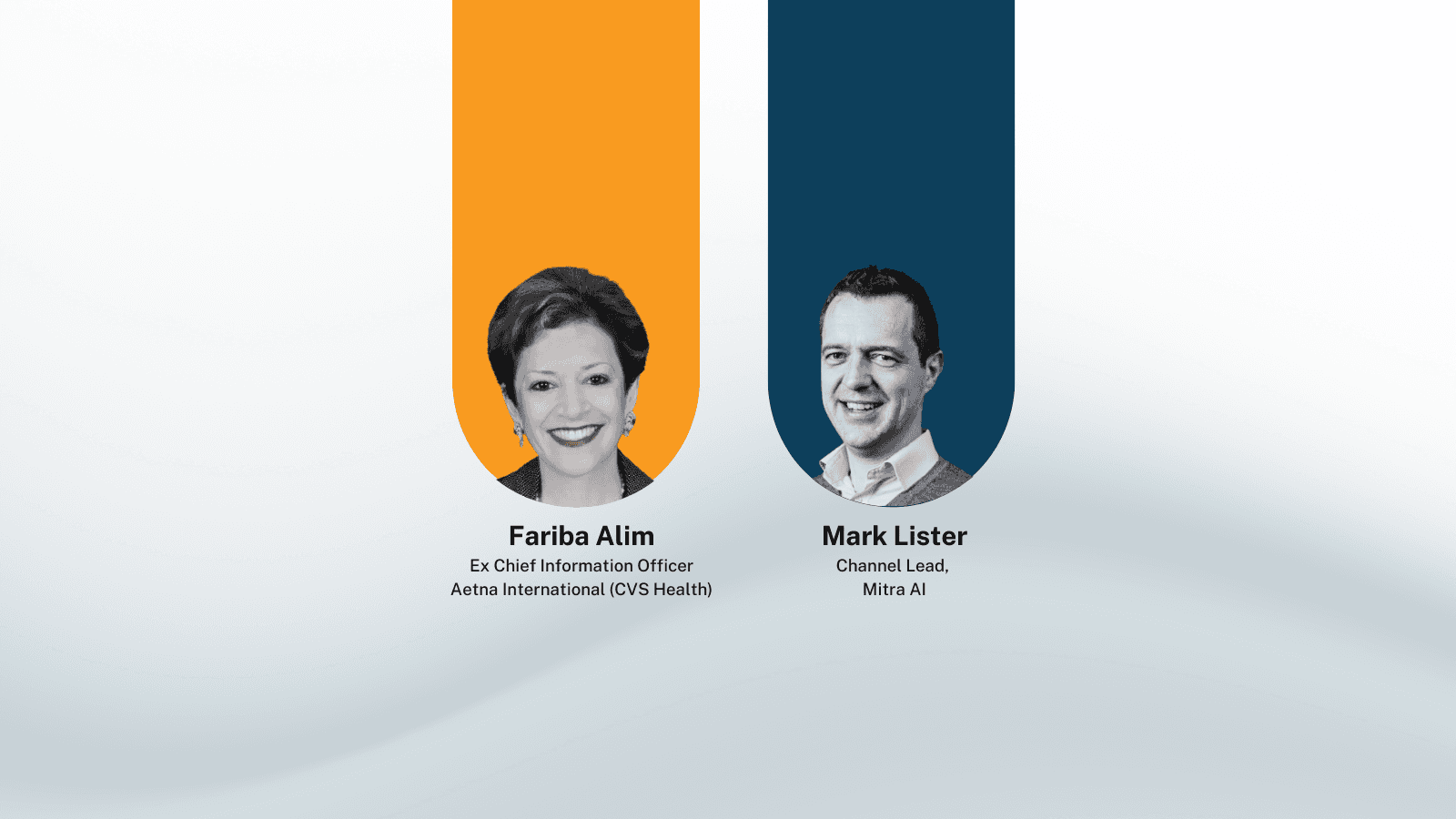
In our recent webinar, ‘From legacy drag to innovator’s delight: Insider Lessons from Aetna’s Digital Platform Modernization Journey’, Fariba Alim-Marvasti, former CIO of Aetna International, shares how she led modernization across 30 regulated markets by focusing on outcomes, incremental delivery, and building trust.
Here are a few highlights from this insightful session:
Unifying a fragmented global technology landscape
When Fariba stepped into the CIO role, the mandate was clear: rationalize and modernize a highly fragmented environment and turn technology into a business growth engine. Operations across 30 legal entities meant overlapping platforms, vendors, and regulatory constraints. Success required a North Star vision tied to business outcomes such as improving customer experience, increasing scalability and reliability, and accelerating delivery without increasing risk.
Why regulation can accelerate modernization
Rather than slowing progress, regulatory frameworks such as HIPAA, GDPR, and PII protections actually necessitated structure and clarity. Used effectively, they were the force multipliers resulting in trusted-by-design systems, stronger governance, and repeatable delivery patterns - reducing risk while building confidence with stakeholders.
3. Incremental wins over “big bang” transformation
Modernization succeeded by avoiding large, risky programs in favor of incremental releases every 90–120 days. Each initiative was prioritized based on who benefited, what changed, how success was measured, and what could be deprioritized. This approach-maintained momentum, reduced change fatigue, and kept business leaders actively engaged.
4. Measured outcomes build credibility
The results from the program demonstrated real business value and repositioned modernization as a positive business enabler, not just an IT initiative:
120% increase in electronic claims submission
40% increase in engagement
20+ point improvements in customer scorecard metrics
What’s next: AI as a friction-removal engine
Looking ahead, Fariba sees AI playing a key role in reducing administrative burden, synthesizing complex information, and improving decision-making when overseen by a robust governance framework.
We’ve hit some takeaway highlights here, but the webinar dives deeper into the practical realities of modernizing legacy systems in regulated environments.

Mark Lister
Channel Lead, UK, at Mitra Al