Powering a World-Class University Through Digital Integration
How the University of Exeter partnered with Mitra AI to design a scalable, cloud-ready integration strategy for the future
About University of Exeter
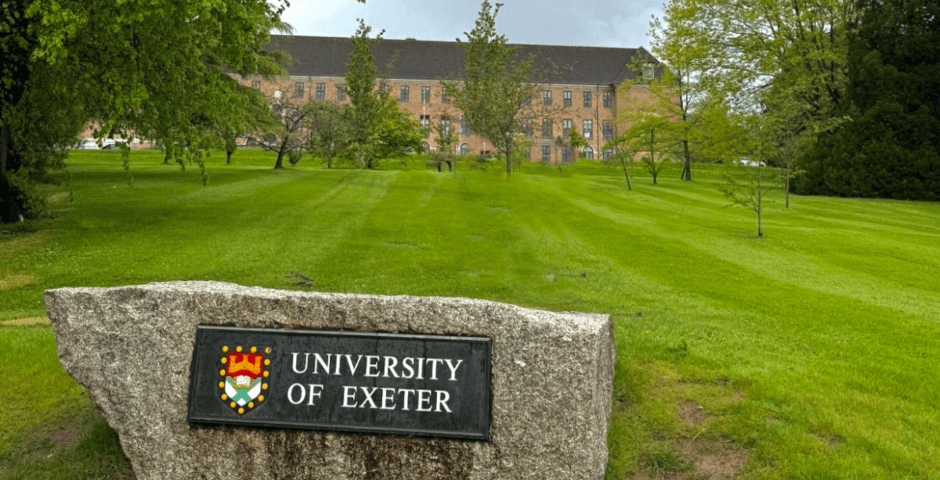
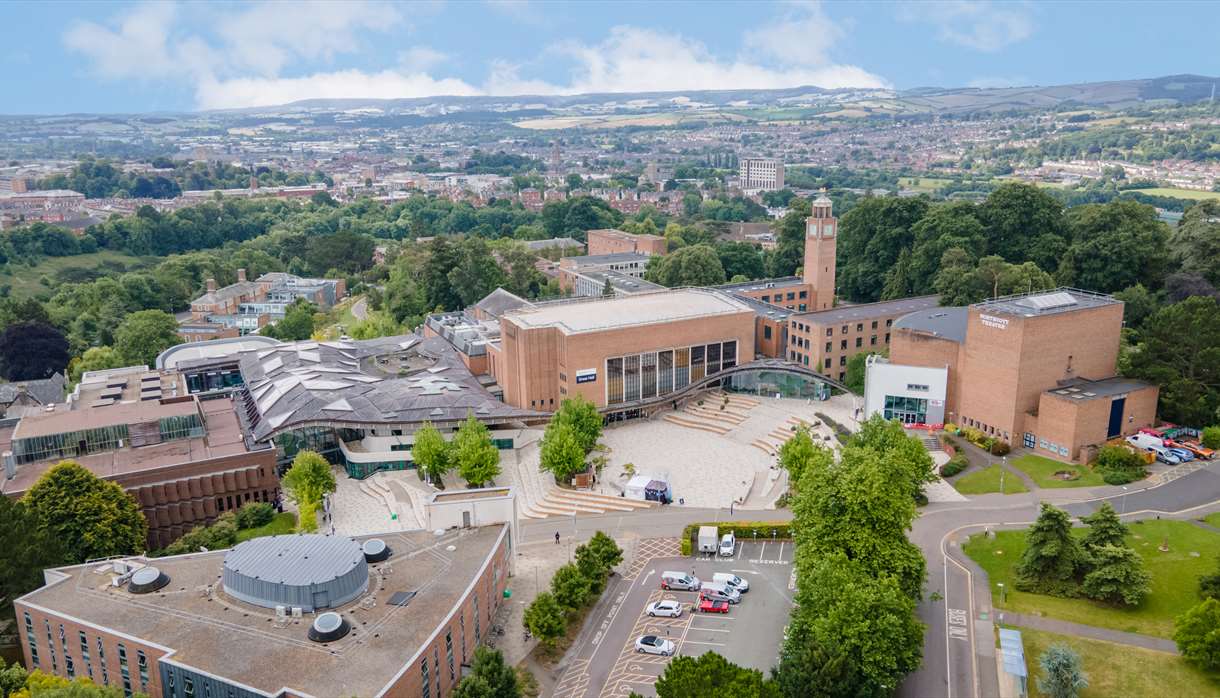
As one of the top 150 universities in the world, according to The Times Higher Education World University Ranking, the University of Exeter combines teaching excellence and high levels of student satisfaction with world-class research at its campuses in the South West of England. Its inclusion in the Russell Group, a self-selected association of 24 public research universities in the UK, means that Exeter attracts the very best students from over 130 countries.
Opportunity
Exeter University made a bold £2.5 million investment in digital transformation to strengthen its competitive advantage in an increasingly demanding higher education landscape. To protect its position as a world-class research institution, the university recognized the need for a fully integrated Software-as-a-Service (SaaS) ecosystem—one capable of modernizing legacy systems, accelerating cloud adoption, and delivering a seamless digital experience for students and faculty alike.
With pressure mounting to deliver meaningful change at pace, Exeter faced the limitations of fragmented, ageing technology. To move forward, the university committed to a data-driven integration strategy that would provide the agility required to respond to rapidly evolving stakeholder expectations. Following an in-depth assessment of its internal capabilities, Exeter concluded that outsourcing the management of future SaaS integrations was critical to success.
The university therefore sought a trusted integration partner—a team of experts able to assess its complex systems landscape, define a clear transformation roadmap, and rapidly execute a modern, scalable integration strategy to power its digital future.
Solution
The University selected Mitra AI as its strategic transformation partner, commissioning a week-long discovery workshop to assess its systems and define a comprehensive digital strategy. Mitra AI delivered two days of hands-on training for enterprise architects and process owners, equipping the team with proven integration methodologies and practical techniques.
The workshop fostered a collaborative, collegiate approach, building a shared understanding of digital transformation before focusing on Exeter’s complex, multi-campus systems landscape. This was critical in addressing the challenge of integrating disparate assets and infrastructure.
Mitra AI also defined a clear, phased approach for migrating legacy systems to the cloud, ensuring scalability and future readiness. The outcome was a practical, executable roadmap that clarified roles, set expectations, and empowered the university to confidently drive its digital transformation forward.
Key capabilities included:

Collegiate Approach:
Mitra AI spent two days training the university’s team, including enterprise architects and everyone responsible for implementing processes within the organization on integration methodology and techniques.
Integration Roadmap:
Mitra AI took the time to understand the context of where the university was in its digital transformation programme and showed how it could realize its ambitions with a tailor-made integration platform.
Digital Empowerment:
By training the entire Exeter team and designing a detailed architecture blueprint and integration roadmap, Mitra AI has empowered Exeter to design and build systems and platforms that are fit for purpose, secure, fully integrated and achieve the overarching goals and mission of the university.
Impact

Tailored integration architecture blueprint
Roadmap of how to achieve its cloud migration ambitions
Better understanding of their current context and any barriers

Realistic plan that can be used to manage expectations

"The Mitra team took the time to understand the context of where we were in our digital transformation programme and showed us how we could realise our ambitions with a tailor-made integration platform. Not only do we now have an architecture blueprint that will enable us to increase our ability to be agile and responsive, but we also have a roadmap of how to get there."

Karl Walker, Head of Architecture, University of Exeter